
Are There Dangerous Animals in Rhodes?
Dangerous animals in Rhodes travellers ask about. Learn about snakes in Rhodes, wildlife Rhodes safety, and whether visitors need to worry on holiday.
PRACTICAL TIPS
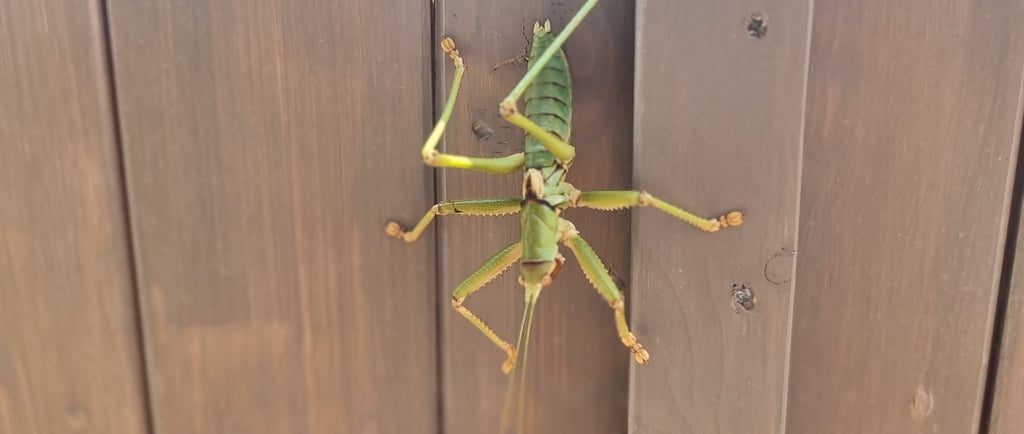
Most travellers focus on small details before coming to Rhodes — but the real difference comes from how you plan your trip overall.
👉 Start here: Plan Your Rhodes Trip
When planning a trip to a Greek island, some travellers wonder about local wildlife and whether there are any animals they should be worried about.
For easier trip planning, grab my Free Rhodes Pocket Planner, or get the full Rhodes Digital Travel Guide with everything you need in one place.
It’s a common question, especially from visitors planning to hike, explore nature, or spend time in quieter countryside areas:
Are there dangerous animals in Rhodes?
People often imagine snakes, spiders, or other wildlife that could cause problems during their trip. The good news is that Rhodes is generally a very safe island when it comes to wildlife.
As someone living here and regularly exploring different parts of the island, I can give you the honest local answer about animals in Rhodes and what travellers should realistically expect.
Quick Answer
No, Rhodes does not have dangerous animals that pose a serious risk to tourists. The island has some wildlife such as snakes, insects, and small reptiles, but dangerous encounters are extremely rare. Most animals avoid humans, and visitors can explore beaches, villages, and nature areas safely with basic awareness.
Why Travellers Ask This Question
Travellers usually ask this question when they are planning outdoor activities or visiting nature areas.
Rhodes has beautiful countryside landscapes, hiking trails, forests, and rural villages, so people naturally wonder what kinds of animals live there.
Some of the most common concerns include:
Are there dangerous snakes in Rhodes?
Are there poisonous spiders or insects?
Are there wild animals in forests or mountains?
Is it safe to hike or explore nature?
For many travellers, especially those visiting Greece for the first time, these concerns come from unfamiliarity with Mediterranean wildlife.
Fortunately, Rhodes is not known for dangerous wildlife.
The Real Situation in Rhodes
Rhodes has a typical Mediterranean ecosystem, which means the island has a variety of small animals and insects, but very few that are dangerous to humans.
You may encounter wildlife such as:
small lizards
harmless snakes (haven't seen any in 3 years)
insects like bees or wasps
geckos
butterflies
These animals are part of the island’s natural environment and rarely cause problems.
Most wildlife in Rhodes avoids people and disappears quickly when humans approach.
In fact, many visitors never see any wildlife at all unless they specifically explore nature areas.
Snakes in Rhodes
One of the most common concerns travellers have is about snakes.
Yes, snakes do exist in Rhodes, but they are rarely seen and almost always avoid human contact. Personally I haven't seen any in 3 years living here.
The island is home to several snake species, and the majority are completely harmless. Like most snakes around the world, they prefer to stay hidden and escape when they sense people nearby.
Snake sightings are uncommon in busy areas like:
beaches
resorts
towns and villages
They are more likely to appear in rural areas, forests, or rocky countryside.
Even then, encounters are rare and usually last only a few seconds before the snake moves away.
Insects and Bugs
The insects you’ll most commonly notice in Rhodes are:
mosquitoes
bees and wasps
ants
Mosquitoes are the insect travellers ask about most often. They tend to appear during warm summer evenings, but they are usually manageable with simple precautions.
If you're concerned about this, the guide Are There Mosquitoes in Rhodes? (What Travellers Should Know) explains what visitors can expect.
Bees and wasps are occasionally seen around outdoor restaurants or gardens, especially where food or drinks are present.
These insects are usually not aggressive unless disturbed.
Sea Creatures
Travellers sometimes worry about marine animals when swimming.
The waters around Rhodes are generally very safe for swimming. The most common marine life visitors might encounter includes:
small fish
sea urchins (rarely)
occasional jellyfish
Lionfish in past 2 years
Sea urchins sometimes appear in rocky areas along the coastline. Wearing water shoes when swimming in rocky bays can help avoid stepping on them.
Many of the island's best swimming spots are sandy beaches where this isn’t usually an issue.
You can explore the island's best beaches and coastal activities in Best Experiences in Rhodes.
Things Visitors Should Know
Although dangerous animals are not a concern in Rhodes, there are a few practical things travellers should keep in mind.
Wildlife usually stays away from people
Most animals on the island avoid humans. If you do see wildlife, it’s usually brief.
Nature areas may have insects
If you go hiking or explore forests, you may encounter insects such as bees or mosquitoes.
Sea urchins live in rocky areas
These are not dangerous but can cause painful stings if stepped on.
Stray cats are very common
One of the animals you’ll see everywhere in Rhodes is cats. They are part of daily life on the island and often appear around restaurants, villages, and harbours.
Most are friendly and harmless.
Practical Tips for Travellers
If you're planning to explore nature or spend time outdoors, these simple tips will help.
Wear proper shoes for hiking
If you're walking through countryside trails or rocky areas, closed shoes help avoid small scratches or insect bites.
Watch where you step in rocky water
When swimming in rocky bays, take a moment to look before stepping to avoid sea urchins.
Carry insect repellent if hiking
Repellent can help if you plan to spend time in forests or nature areas.
Respect wildlife
Avoid touching or disturbing animals you encounter. Most wildlife will move away quickly.
Explore with organised trips
If you prefer structured experiences, many travellers explore nature spots and villages through tours listed in Best Guided Tours in Rhodes.
Before you travel, these practical guides will help you avoid common mistakes and prepare for a smooth holiday in Rhodes:
→ Rhodes Travel Mistakes to Avoid: Local Tips
→ What to Pack for Rhodes in 2026: Complete Packing Guide
→ 10 Things to Know Before Visiting Rhodes (2026 Guide)
→ Rhodes Travel Tips – Practical Advice for Visitors (2026 Guide)
→ Best Time to Visit Rhodes (Crowds, Weather & Prices)
Common Tourist Mistakes
Travellers sometimes worry too much about wildlife when visiting Rhodes.
Expecting dangerous animals
Some visitors imagine the island has large or dangerous wildlife. In reality, Rhodes has nothing comparable to animals found in tropical destinations.
Walking barefoot in rocky water
This can lead to stepping on sea urchins. Water shoes solve this easily.
Disturbing animals for photos
Occasionally visitors try to get too close to wildlife for photos. It’s always better to observe from a distance.
Feeding stray animals
Feeding cats or other animals may encourage them to follow you around restaurants or beaches.
My Local Advice
Living in Rhodes, wildlife is simply part of the natural landscape, but it's rarely something visitors need to worry about.
The island is very safe when it comes to animals. Most wildlife stays hidden, and serious incidents involving animals are extremely rare.
In fact, the biggest “wildlife encounters” most travellers have here are friendly cats sitting outside tavernas or small lizards running across sunny walls.
For visitors, the real focus should be enjoying the island’s beaches, villages, and historic sites.
If you're planning your trip, the guide Plan Your Rhodes Trip can help you organise your itinerary and choose the best areas to stay.
You can also explore activities and attractions in Best Things to Do in Rhodes.
Related Travel Tips for Rhodes
If you're planning your visit, these helpful guides answer other common traveller questions:
These guides help travellers plan their trip confidently and avoid common mistakes.
FAQ
Are there poisonous snakes in Rhodes?
Rhodes does have a few snake species, but dangerous encounters are extremely rare. Most snakes on the island are harmless and avoid people.
Snake sightings are uncommon in towns, beaches, or resorts. They are more likely to appear in rural countryside areas, and even there they usually move away quickly when humans approach.
For most visitors, snakes are something they may never see during their trip.
Are there sharks around Rhodes?
Shark sightings around Rhodes are extremely rare and not something swimmers typically encounter.
The waters around the island are considered safe for swimming, and millions of visitors enjoy the beaches every year without any issues.
You’re far more likely to see small fish than any large marine animals.
Are insects a problem in Rhodes?
Insects exist in Rhodes just like in any Mediterranean destination, but they are usually not a major problem for visitors.
Mosquitoes may appear during warm summer evenings, and bees or wasps can sometimes be seen around food and drinks outdoors.
Simple precautions like insect repellent and basic awareness are usually enough to avoid issues.
Is it safe to hike in Rhodes?
Yes, Rhodes is generally safe for hiking. The island has beautiful nature areas, scenic viewpoints, and countryside landscapes worth exploring.
The main things hikers should consider are heat, sun exposure, and carrying enough water during summer months.
Wearing proper shoes and avoiding hiking during the hottest hours of the day are usually the most important safety precautions.
⭐Plan Your Experience in Rhodes
Not sure where to start? → Plan Your Rhodes Trip
By now, you probably realise that the difference between an “okay” trip and an unforgettable one in Rhodes comes down to what you actually do — not just where you stay.
If you don’t want to waste time comparing hundreds of options or risk choosing the wrong experience, I’ve already done the work for you.
👉 Start here:
→ Best Experiences in Rhodes (2026)
→ Best Boat Trips in Rhodes (2026)
→ Best Day Trips from Rhodes (2026)
→ Best Guided Tours in Rhodes (2026)
These are based on real local knowledge, traveller feedback, and what’s actually worth your time.
🚙Prefer something more flexible?
→ Private Transfers & Tours in Rhodes — custom routes, private drivers, airport pickups, and personalised island trips
🚗Want full freedom to explore?
→ Car Rental Rhodes — best options, local tips & trusted companies
📘If you want everything organised day-by-day:
→ Rhodes Digital Travel Guide 2026 (Local, Instant Download)


Looneytravels Network
Rhodes Booking Marketplace Rhodes Explorer Rent a Car in Rhodes Rhodes Car Rental Rhodes Airport Car Rental Rhodes Excursions Soul Sisters Tarot
Websites run by the Looneytravels team.